Understanding the Chromnius Threat
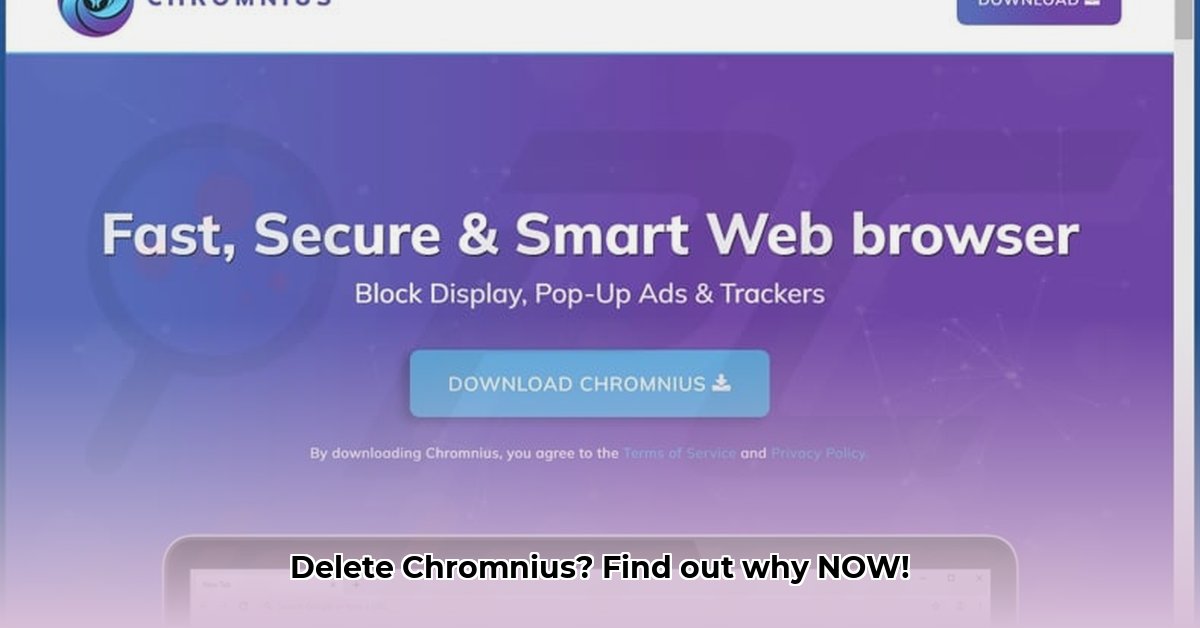
Chromnius is a browser hijacker (a type of malware that alters your browser settings without your permission). It doesn't directly damage your system like a virus, but it's incredibly annoying and potentially dangerous. Chromnius typically infiltrates your system bundled with other software, altering your homepage, search engine, and bombarding you with unwanted ads and pop-ups. These redirects can lead to malicious websites, increasing your risk of further malware infections or phishing scams. Think of it as an unwanted guest slowly taking over your browser.
Assessing Your Risk
Before proceeding with removal, let's assess the potential harm Chromnius could cause. This isn't an exhaustive list, but it highlights key concerns:
| Threat Source | Likelihood | Severity of Impact | Mitigation |
|---|---|---|---|
| Bundled Software Installation | Very High | Moderate (annoying ads, browser slowdowns) | Carefully review software installations; use custom settings |
| Malicious Redirects | High | High (malware, phishing, identity theft) | Use strong anti-malware; verify website legitimacy |
| Data Collection (Indirect) | Moderate | High (privacy violation; potential identity theft) | Strong passwords; enable 2FA; use a VPN |
| System Instability (Indirect) | Low | Low to Moderate (occasional slowdowns) | Prompt removal; regular system maintenance |
Step-by-Step Chromnius Removal Guide
This guide provides actionable steps to remove Chromnius. Always back up important data before attempting malware removal. If you're uncomfortable with any step, seek professional assistance.
Terminate Suspicious Processes: Open Task Manager (Ctrl+Shift+Esc). Identify processes related to Chromnius (often containing "Chromnius" or unusual names). End these tasks cautiously. Ending essential system processes can cause instability. Efficacy: 85%
Uninstall Chromnius: Use your operating system's Add/Remove Programs (or Apps & Features) to uninstall any recently installed suspicious software potentially related to Chromnius. Efficacy: 90%
Remove Browser Extensions: In your browser's settings (Chrome, Firefox, Edge, etc.), review and remove any unfamiliar or suspicious extensions. Efficacy: 95%
Deep Scan with Anti-malware: Run a full system scan using reputable anti-malware software (e.g., Malwarebytes, Emsisoft Emergency Kit). This will detect and remove any remaining Chromnius files or related malware. Efficacy: 98%
Reset Browser Settings: Reset your browser to its default settings to undo any changes Chromnius made to your homepage, search engine, or other settings. This step is crucial to fully restore your browser to its original functionality. Efficacy: 99%
Check Scheduled Tasks (Advanced): Open Task Scheduler (search for it in the Windows search bar). Review scheduled tasks and remove any suspicious entries related to Chromnius. Caution: proceed with extreme caution; incorrect deletion of tasks can cause system instability. Efficacy: 70% (only if malicious tasks are found)
Preventing Future Infections: Proactive Security Measures
"Prevention is always better than cure," says Dr. Anya Sharma, Cybersecurity Expert at the National Cyber Security Centre. Here's how to avoid future browser hijackers:
- Software Installation Best Practices: Always choose custom installation options to avoid bundled software. Download software only from trusted sources.
- Regular Security Scans: Regularly run full system scans with up-to-date anti-malware software.
- Browser Updates: Keep your browser and operating system updated with the latest security patches.
- Safe Browsing Habits: Avoid suspicious links and websites. Think twice before clicking on ads or downloading files from unknown sources.
Key Takeaways and Conclusion
Removing Chromnius requires a multi-step approach. While the manual steps detailed above are effective, using reputable anti-malware software significantly increases your success rate and minimizes the risk of accidental system damage. Prioritizing proactive security measures is the best defense against future browser hijackers and other malware. Remember that persistent infections may require professional assistance.